
Tarot Spreads & Practice
Your Guide to One Card Tarot Readings
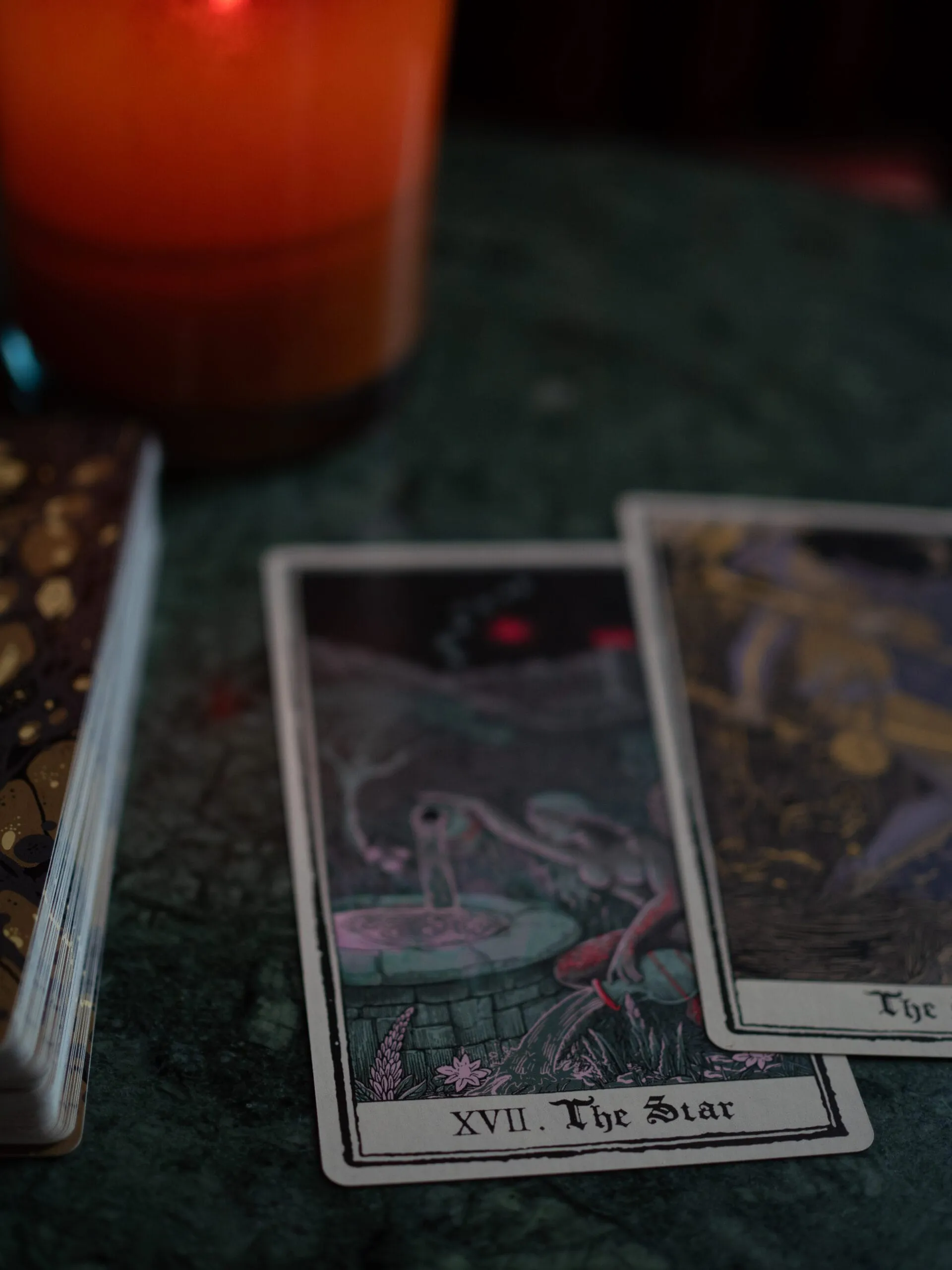
Pull one card and a lot can happen. You get a message you can act on within the hour, you get a practice you can keep up, and you get a way of working with the deck that does not need an hour of study first. One-card readings suit beginners who are still learning the cards, and they suit experienced readers who want a straight answer to a straight question.
What one card is good for
A single card cuts out the noise. Larger spreads can bury a simple question under a dozen interpretations, while one card gives you a theme, an answer or a piece of advice and nothing else to argue with.
Read it the way you would read a weather forecast for the day ahead. This is the energy in the room, and this is what to work with. It is not a verdict on your future.
There are three ways a single card usually gets used, and knowing which one you are doing helps you ask a better question:
- A theme for the day. Pull a card in the morning and let it set a tone you come back to.
- A direct answer. For a focused question, one card can land as a yes, a no or a maybe, with the reason attached.
- A piece of advice. The card suggests a course of action or a change of view.
What the card says depends on what you asked. The Hermit will not mean the same thing for a question about a new relationship as for a question about work. It also matters whether it comes from the Major or Minor Arcana. A Major card usually points at something bigger than the week ahead.
How to do your own one card reading
There are no rules here that matter more than paying attention, so set it up in a way you will actually repeat.
Find somewhere quiet and take a few breaths. A candle or some music helps some readers, and none of it is required.
Then hold the deck and get your question clear, because specific beats broad. “Will I be happy?” gives the card almost nothing to work with. “What energy should I bring to today if I want more joy in it?” gives it something to answer. If you are new to the deck, the beginner’s guide to tarot card reading covers the basics and will make this easier.
Shuffle while you hold the question in mind, then stop when your hands settle.
Drawing your card
Take it whichever way feels natural:
- Fan and choose. Spread the cards face down, run your hand over them and pick the one you are drawn to.
- Cut the deck. Cut the cards into one or more piles and put them back together. The card on top is yours.
- The jumper. If a card falls out while you shuffle, many readers take it as the card they were meant to see.
If you want to try a draw without setting up your own deck, you can draw one free tarot card online and follow a reflection prompt.
The method matters far less than the fact that you stopped and paid attention. Once the card is in front of you, the conversation starts.
Reading the card you pulled
Before you read the meaning, notice how much weight the card carries. A Major card usually points at something bigger than today’s mood, which is worth more thought than a Minor card about the week ahead. Then look at the card itself: colours, symbols, the mood of the image, and the first thought it gives you. That first reaction is your intuition doing its job, and it belongs in the reading rather than sitting outside it.
Then read the traditional meaning and put the two together. Over time you notice that certain symbols and figures in your deck say something specific to you, which is how a personal relationship with the cards builds up. It works the way getting to know a friend does.
What the card type tells you
Where a card comes from in the deck gives you a quick clue about its message.
| Card type | What it usually covers |
|---|---|
| Major Arcana | Big lessons, shifts and turning points. Worth slowing down for. |
| Swords | Thoughts, communication, conflict and clarity. |
| Cups | Emotions, relationships and creativity. |
| Wands | Energy, passion, work and drive. |
| Pentacles | Money, work, health and home. |
| Court cards | A person in your life, a side of your own character, or a situation. |
This is a starting point rather than a set of rules, but it is a useful reference while you get to know what your deck is telling you.
Writing it down
A journal is the fastest way to get better at this. It turns a passing thought into something you can look back on, and after a few weeks you start to see repeats.
You do not need to write an essay. Three questions are enough:
- What do I see? Describe the image, the colours and the symbols before you interpret anything.
- What does it mean? Now check the guidebook. Does the standard meaning match your first impression?
- How does it apply to me? Ask where this card touches your day and what you will do with it.
Keep the entries short enough that you will still be making them in a month. A line or two a day is plenty, and the value is in the record rather than in the writing.
When one card is not enough
One card is quick and focused, and that is also why it does not suit every question. If you are asking about a long-term path, or trying to untangle a problem with several parts pulling in different directions, a single card gives you a fragment. Reach for a larger spread, or pull one follow-up card for detail. Knowing when to use more cards is part of using this one well, and there is a piece here on the limitations of a single card tarot reading.
Good moments for a single card
- Daily guidance. A card in the morning gives you something to carry through the day.
- A quick decision. At a crossroads, one card can point at the factor you are overlooking.
- Meditation or intention setting. A card makes a good visual anchor when you sit with a question.
Making it a daily habit
Consistency is what turns a single pull into a practice, and it does not need to be a large commitment. A few minutes a day, added to something you already do, is enough to shift how aware you are of your own reactions.
Keeping a daily log makes the habit stick. Your entry can be three lines: the card, a few keywords, and one note about where it turned up in your day. Read back through it after a month. That is where the value shows up.
Where the practice comes from
Simple card reading has old roots in Denmark, where playing cards have been part of daily life since at least 1487 and Animal Tarok packs were being made here by the 18th century. Danish Tarok has been played since at least 1770, though the modern Danish Tarok Association was only formed in 2010. Roskilde University Library holds the K. Frank Jensen Collection, an archive more than 95% complete for 20th century tarot cards. You can read more about the earlier game of Grosstarock on Wikipedia.
Common questions about one card readings
Can I ask the same question twice?
It is tempting, and best avoided. Asking the same thing repeatedly muddies the message and usually means you did not like the answer you got the first time. If a card felt unclear, ask a follow-up instead: “What else do I need to understand about this?”
How often should I do a reading?
There is no rule. A daily pull works for a lot of people because it builds the habit. Others take a card only when something is on their mind. Choose whichever one you will keep doing.
What if I pull a card that looks alarming?
Take a breath first. Cards that look intimidating, such as The Tower or Death, are almost never literal. They point to an ending that is due, a change already underway, or a truth you have been avoiding. Ask what the card is asking you to let go of, or what needs your attention right now. The uncomfortable cards are often the ones that say the most.
If you would like a second perspective on a question, Mark reads tarot online in English and Danish: book a personal reading.