
Online Tarot Readings
Find Online Tarot Readings That Are Truly Accurate
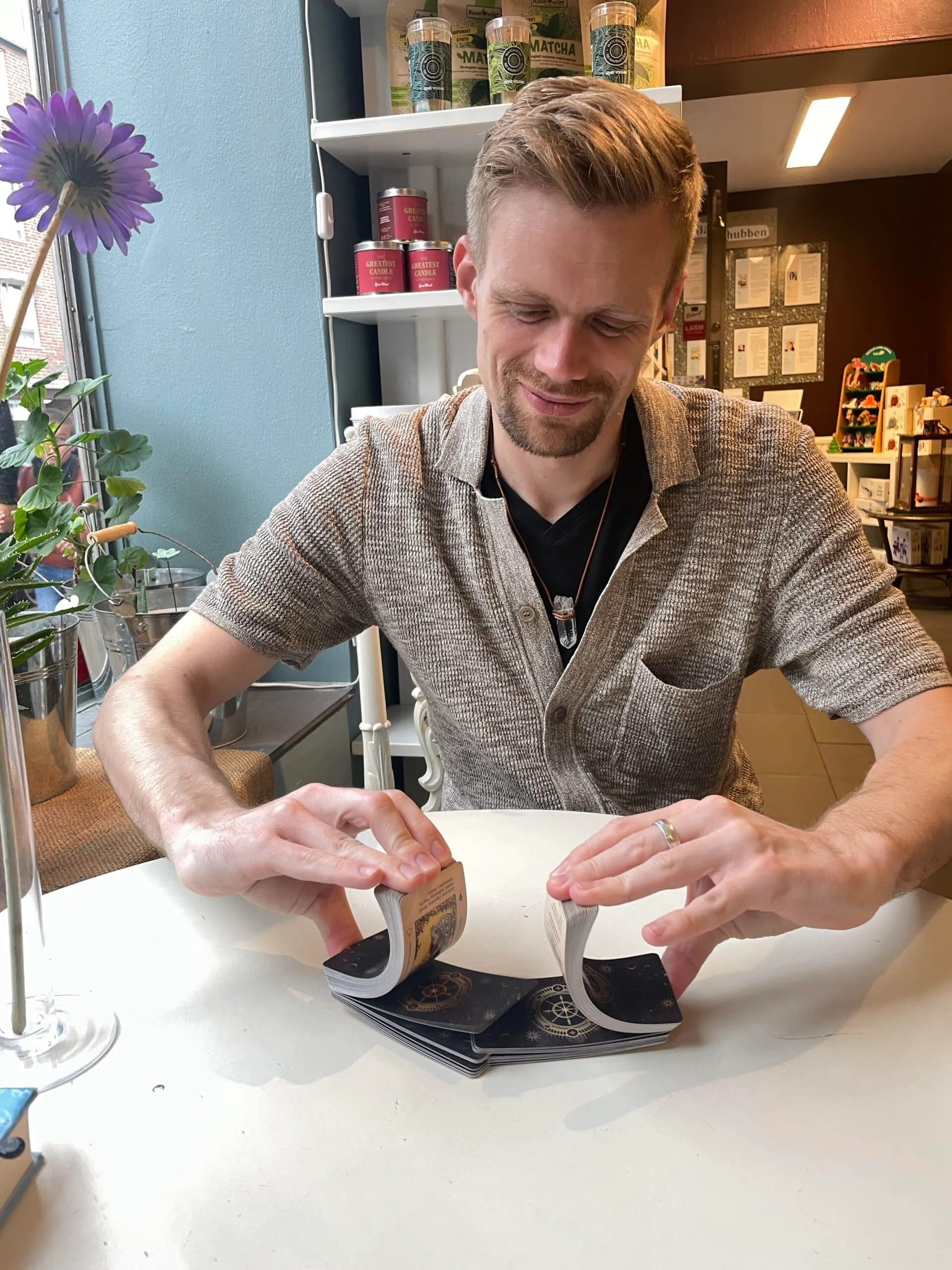
The internet is full of tarot readings that promise a great deal and deliver three lines of vague encouragement. Telling the good ones from the rest does not take long once you know what to look at, and it saves you paying for a session that tells you nothing you did not already know.
Here is what I would check before booking, the kinds of readings you can find online, and how to get more out of a session once you have paid for it.
What to check before you book
A reading is only as good as the person giving it, and you cannot meet them in advance. Everything you have to go on is the website, the reviews, and how the reader writes about their own work. That is usually enough.
Read the reviews for detail, not stars
A five-star average on its own tells you very little. Look at the longer comments instead, especially the ones that mention a specific question the reader handled well, or a time they said something the client had not expected. Feedback about how someone was treated when the reading turned difficult says more than a row of stars. If every review is a single line of praise posted in the same week, treat that with caution.
Check that the site says who you are talking to
You should be able to find the reader’s background, how long they have been reading, and what they specialise in without hunting for it. A good site also explains how a session runs: how long you get, whether you need to prepare anything, how the cards are drawn, and what happens if a follow-up question comes up afterwards. Clear prices and a working way to contact someone are the two simplest signs that a platform is run properly.
Compare what you get for the price
Prices vary, and a higher fee is not automatically a better reading. Compare the length of the session, whether you get a recording, and how much of the time goes on your question rather than a general reading. Free introductory readings are a reasonable way to see whether a reader’s style suits you, but check what is included before you assume the full session will follow the same shape. Cheap and expensive both work out fine when the description of the session is honest.
Look at what else the site offers
Some readers publish guides, articles, or podcasts alongside their readings. Material on card meanings, astrology, or numerology is worth reading, partly because it shows how the reader thinks. You can judge a lot from whether their writing is clear and specific, or whether it is the same paragraph of encouragement in different words each time.
The kinds of reading you can book
Most online readings fall into a few recognisable shapes. Knowing which one you are buying matters more than the platform you buy it from.
Traditional spreads
The Celtic Cross walks through a situation position by position and gives a broad picture. Three-card spreads are quicker and usually answer a narrower question, often read as past, present and future. Some platforms let you draw from a digital deck and look up each card as you go. That is fine for practice, but it is a different thing from a reading given by a person.
Intuitive readings
Here the reader works less from a fixed set of meanings and more from the images and what comes up in conversation. Two readers can look at the same card and take different things from it, and both can be useful. These readings tend to be more personal, and they lean harder on the reader’s skill, so the reviews matter more.
Readings that include astrology
Some readers combine the two systems, linking a card to a zodiac sign or a moon phase. It gives them another layer to work with, and it is useful if astrology is already part of how you think about your life. If it is not, the reading still works without it.
Readings about work and relationships
These are the two questions most people bring: a job that has gone flat, a relationship they cannot read. A reader who works with them regularly will have a way into the question that a general reading does not. Some also offer readings adapted for clients who want their faith and their tarot kept compatible, which is worth asking about if it matters to you.
Live sessions and recordings
A live session means you can react to what you are hearing and steer the reader towards what matters. A recorded reading can be replayed, which sounds like a small thing until you find yourself listening to it again a month later. Choose according to whether you think better in conversation or on your own.
How to get more out of a session
A reader can only work with what you bring. A few minutes of thought beforehand changes the quality of what you get back.
Ask a question that can actually be answered
Open questions work far better than yes or no ones. “Will I get the job?” asks the cards to predict something they are poor at, and it leaves you with nothing to do either way. “What is getting in the way of my work right now?” invites an answer you can use. Keep it specific, and do not hand over so much detail that the reader is only repeating your own account back to you.
Get somewhere you will not be interrupted
An online reading deserves the same conditions as a phone call you actually care about: a quiet room, a door you can close, and enough time afterwards to sit with what came up. Some people light a candle first, and if that helps you settle, do it. Otherwise turn your phone face down and give the session your attention.
Take notes while you listen
Write down what stands out and how it makes you feel alongside the cards you drew. You will forget more than you expect within a day, and the notes are what you will still have in six months. Keep them somewhere you can find again. The point is to look back and see whether any of it turned out to be true.
Tell the reader what landed
Say which parts fitted and which did not. A good reader will adjust as they go and will not take it personally. If a question comes to you at the end, ask whether you can come back with it rather than trying to squeeze it in at the last minute. Readers who have read for you before pick up faster the second time.
Making the guidance stick
A reading is a starting point. What you do in the fortnight after it decides whether it was worth the money.
Set an intention before you book
Decide what you want out of the session before it starts. Are you looking for a decision, a way to think about a situation, or simply a space to say something out loud? Knowing which means you will not spend half the session explaining the background.
Let it settle before you judge it
Not everything in a reading makes sense on the day. Give it a week or two, then read your notes again. Some of what sounded off at the time turns out to be accurate in a way you could not have seen from inside the situation.
Do one thing with it
Pick the single piece of advice that felt most relevant and act on it, even in a small way. A reading that changes nothing about the following month was entertainment, which is a fine thing to buy, as long as that is what you were buying.
Talk to other people about it
Forums and groups are useful mostly because other people have read the same cards and taken something else from them entirely. That comparison sharpens your own reading. It is also how you find out which readers are worth the wait, and which are worth avoiding.
New tools and who to listen to
Tarot online has changed a fair amount in the last few years, and not all the changes are improvements.
Apps, video, and everything else
Video sessions mean you can work with a reader anywhere. Some services match you with a reader from a short questionnaire, which is a reasonable shortcut if you have no one to ask. Apps that produce instant algorithmic readings are quick and cheap, and what you get is a set of keywords rather than a considered view of your question. For practice on a quiet Tuesday they are fine. For a question that matters, they are not the same thing.
Who is worth following
A handful of readers write and publish in a way that is worth your time. The test is the same as anywhere else: do they tell you something specific, or do they repeat the same three lines of encouragement in different words? If you can point to one thing you learned from their article, keep reading them.
Where intuition fits in
Most of what a good reader does is not on the card. It is in what they notice, and how they connect what they notice to what you have told them.
What readers do before a session
Many of them take a few minutes to settle: slow breathing, a short meditation, some kind of grounding practice. That preparation is what allows them to give your question their full attention rather than whatever they were doing five minutes earlier. If a reader sounds rushed when the session opens, that is worth noticing.
Signs the reading is connecting
Listen for the details you did not give them. A sudden reaction to one card, a phrase that lands harder than the rest, or an image the reader mentions that means something only to you: that is the reading doing its job. If nothing at all lands, say so. It usually means the reader is not a good match, not that tarot has failed you.
Logic and intuition together
Good readers use both. They know what the cards conventionally mean and they know when that meaning does not fit. You can do the same. Take the reader’s interpretation seriously, and check it against what you actually know about your own situation. The two should sit alongside each other rather than compete.
Practise on your own
If you want to read for yourself, pull one card a day and write your own impression down before you look anything up. It takes two minutes. After a few months you will have your own meanings for the cards, which is how good readers end up working.
None of this is complicated. Check that the reader explains their work, ask a question you actually care about, and give the reading your attention instead of treating it as background noise. That is most of what separates a reading you remember for years from one you forget by dinner.